

What styles do Sydney tattoo parlours specialise in?
Most reputable Sydney studios are style led, meaning they know what they do best and hire artists who stay in their lane. Clients get better results when they choose an artist for the exact look they want, not just the closest location.
Common specialities include fine line and micro realism, bold traditional, Japanese irezumi, blackwork, script, illustrative, and colour realism. The best tattoo parlour Sydney locals recommend will often showcase this range clearly, either through dedicated resident artists or carefully selected guest artists. Many studios also host guest artists, which can be a strong sign they are connected to the wider industry and can offer niche styles.
How should they match an artist’s portfolio to the tattoo they want?
They should look for repeatable quality, not one standout post. A reliable portfolio shows consistent linework, clean shading, healed examples, and a steady approach across different skin tones and body placements.
They can also check whether the artist has multiple examples of the same tattoo type. For instance, fine line flowers, small scripts, or realism portraits should appear often if the artist genuinely specialises. If a feed looks like every style at once, it can signal they are still experimenting.
What does good hygiene look like in a Sydney tattoo studio?
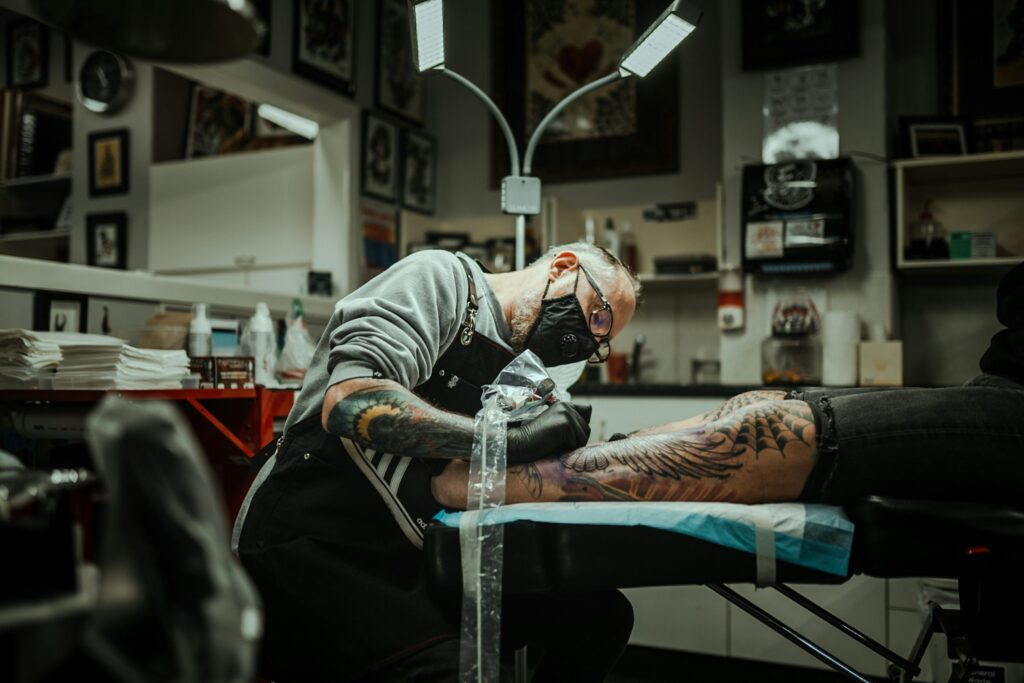
Good hygiene is visible, structured, and boring in the best way. They should expect single use needles, barrier protection on surfaces, wrapped clip cords, fresh ink caps, and a clean, uncluttered station that gets reset between clients.
Studios should also use autoclaves for reusable equipment where applicable and have clear sharps disposal. If they cannot explain their sterilisation workflow calmly and clearly, that is a red flag. Clean work is not optional, and a serious studio treats it like routine.
What questions should they ask about sterilisation and cross contamination?
They can ask simple questions and judge the confidence of the answers. “Are needles single use and opened in front of clients?” is a fair baseline. They can also ask how grips and tubes are handled, what is disposable, and what gets sterilised.
They should expect artists to change gloves often, especially after touching phones, drawers, or non sterile surfaces. If an artist touches multiple items with the same gloves and continues tattooing, clients should treat that as a warning sign, even if the studio looks stylish.You may like to visit https://www.health.nsw.gov.au/environment/factsheets/Pages/how-to-sterilise-instruments.aspx#:~:text=Contacts-,How%20to%20clean%20and%20sterilise%20reusable%20skin%20penetration%20equipment%20and,Reusable%20equipment%20requiring%20sterilisation%20includes: to get more about sterilisation and cross contamination.
How can they spot red flags before booking?
Red flags usually show up in communication and process, not just the shop front. If the studio avoids sharing pricing structure, refuses to discuss aftercare, or pressures clients into same day decisions, they are not prioritising long term outcomes.
They should also be cautious of studios that will tattoo obviously unsuitable designs without discussion. A good artist will explain placement issues, sizing, ageing, and how certain fine details may blur. Honest guidance is often the difference between a great tattoo and a future cover up.
What does a strong reputation actually mean in the tattoo world?
A strong reputation means people return, healed work looks good, and other artists respect the studio. It is less about viral posts and more about long term consistency, safe practice, and client experience.
They can look for steady reviews over time, not a sudden spike. They can also watch for detailed feedback about cleanliness, comfort, and how the studio handled revisions. Reputation is how a studio behaves when something needs adjusting, not just when everything goes perfectly.
How should they read reviews without getting misled?
They should prioritise reviews that mention specifics: the artist’s communication, the consult process, pain management, and aftercare guidance. Vague reviews that only say “great place” are less useful than ones that explain what happened and why it mattered.
They should also read the negative reviews carefully. One complaint about scheduling might be normal in a busy studio. Multiple complaints about hygiene, rudeness, or poor healing outcomes are more serious. Patterns matter more than individual opinions.
What should they expect during a consultation?
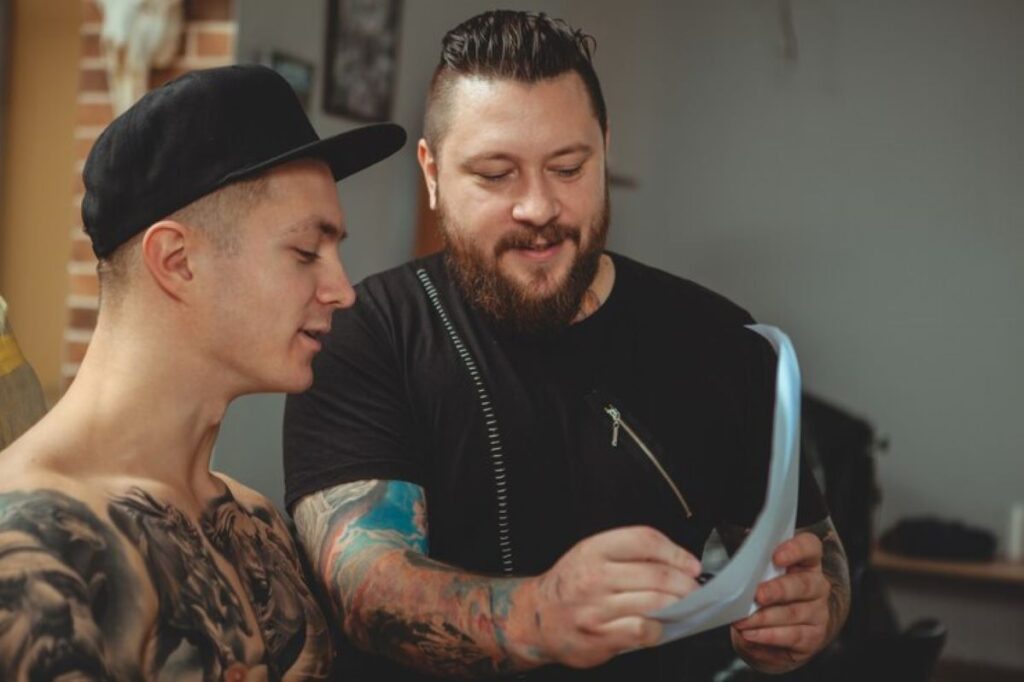
They should expect the artist to ask about design goals, size, placement, and any reference images. A good consult also covers budget range, timing, and whether the concept suits the body area chosen.
They should also expect clear boundaries. Ethical studios discuss age requirements, identification, and health considerations. If a client has concerns about skin conditions, allergies, or healing history, a responsible studio will address it directly rather than brushing it off.
How do pricing and deposits typically work in Sydney?
Most professional studios use deposits to lock in time and protect against no shows. They typically apply the deposit to the final price, with clear rules on rescheduling windows and forfeits. Transparent policies are a trust signal.
Pricing often reflects artist experience, style complexity, and session length. Clients should be wary of bargain quotes that sound too good for skilled work done safely. A tattoo is permanent, and the true cost shows up in the final result and the healing process.
What aftercare standards should they look for?
They should expect aftercare to be explained verbally and provided in writing. Studios may recommend either traditional washing and moisturising routines or second skin bandages, depending on the artist’s method and the client’s skin.
The key is clarity. A studio that rushes aftercare or gives inconsistent advice is not setting clients up for a clean heal. They should also explain what is normal, what is not, and when to contact them. Good aftercare reduces infections, patchy healing, and ink loss.
How can they choose between multiple good parlours?
They should choose based on best fit, not just availability. When several studios meet hygiene and reputation standards, style match becomes the deciding factor. The right artist for the design usually matters more than the studio’s décor or social media following.
They can also compare how each studio communicates. Prompt replies, clear booking steps, and respectful guidance usually indicate strong internal standards. If a studio makes the process confusing, clients may face the same confusion if they need help during healing.
What is the simplest way for them to book confidently?
They should start by selecting the style, then shortlist artists who show consistent healed work in that style. Next, they should confirm hygiene practices, review booking policies, and ask any direct questions before paying a deposit.
If the studio answers clearly, shows consistent results, and treats hygiene as non negotiable, clients are likely in safe hands. In Sydney, the best tattoo experience usually comes from choosing quality and fit first, then committing with patience and confidence.
FAQs (Frequently Asked Questions)
What tattoo styles do Sydney parlours specialise in?
Sydney tattoo studios are style-led and specialise in various styles such as fine line and micro realism, bold traditional, Japanese irezumi, blackwork, script, illustrative, and colour realism. Many also host guest artists offering niche styles, ensuring clients get the exact look they want rather than just a nearby location.
How can clients match an artist’s portfolio to their desired tattoo?
Clients should look for consistent quality across an artist’s portfolio, including steady linework, clean shading, healed examples, and versatility across skin tones and placements. Multiple examples of the same tattoo type indicate genuine specialisation. Beware of portfolios showing every style at once, which may signal the artist is still experimenting.
What are the key hygiene standards to expect in a Sydney tattoo studio?
Good hygiene involves visible and structured practices like using single-use needles opened in front of clients, barrier protection on surfaces, wrapped clip cords, fresh ink caps, clean workstations reset between clients, autoclave sterilisation for reusable equipment, and clear sharps disposal. Studios must treat sterilisation as routine and be able to explain their workflow clearly.
Which questions should clients ask about sterilisation and cross contamination?
Clients should ask if needles are single-use and opened before them; how grips and tubes are handled; what items are disposable versus sterilised; and how often gloves are changed during sessions. Artists must change gloves frequently after touching non-sterile surfaces. Hesitation or unclear answers about these practices are red flags.

How can clients identify red flags before booking a tattoo appointment?
Red flags include studios avoiding pricing transparency, refusing to discuss aftercare, pressuring same-day decisions, or agreeing to unsuitable designs without discussion. A good artist will provide honest guidance on placement, sizing, ageing effects, and detail limitations to ensure long-term satisfaction rather than quick sales.
See also : How to Choose the Best Tattoo Artist Sydney for Your Design
What defines a strong reputation for a Sydney tattoo studio?
A strong reputation is built on consistent healed results that encourage repeat clients and respect from other artists. It’s reflected in steady positive reviews emphasizing cleanliness, comfort, client experience, safe practices, and how the studio handles revisions or issues—not just viral social media posts or sudden review spikes.