
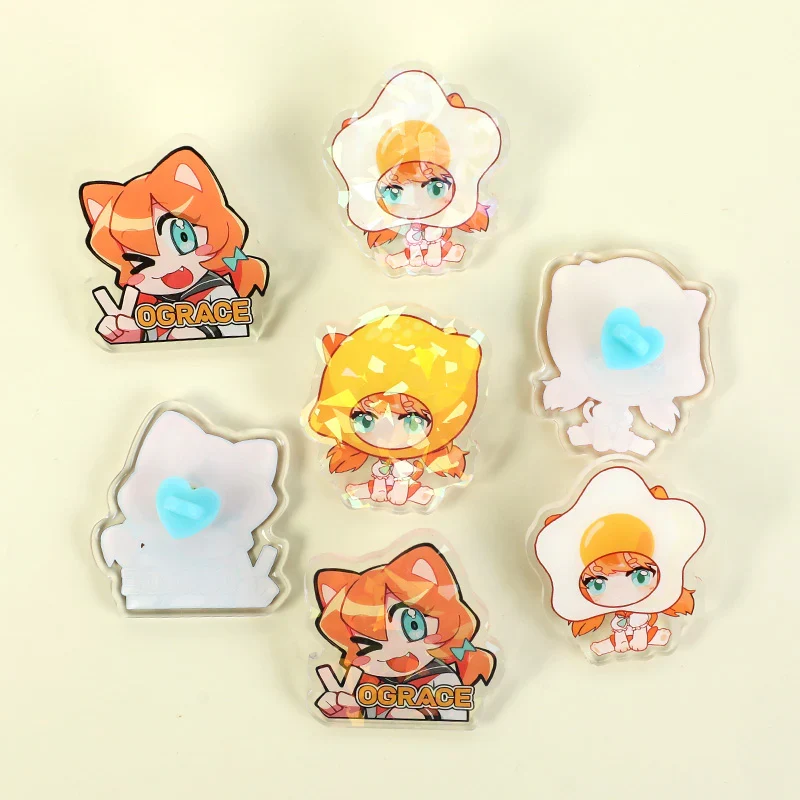
But custom acrylic lapel pins can be the smarter option in specific situations. Acrylic is lighter, more flexible in shape, and often faster to produce, which changes the value equation.
When do acrylic lapel pins look more “on brand” than metal?
Custom Acrylic Lapel Pins often suit modern, playful, or digital-first branding better than metal. Their flat, graphic look can match logos designed for screens, especially where clean blocks of colour and bold silhouettes matter.
They also allow more obvious “merch” styling. If a brand wants pins that feel like collectible art rather than formal badges, acrylic usually fits the brief faster.
When does acrylic handle colour better than metal?
Acrylic can deliver bright, solid colour with fewer compromises. Metal pins often rely on enamel fills and plating choices, which can subtly shift how colours appear.
If a design depends on exact brand colours, high contrast, or a very “printed” look, acrylic tends to be easier to control. This is especially true for neon-style palettes, pastel themes, and designs where colour is the main feature.
When are unusual shapes easier with acrylic than metal?
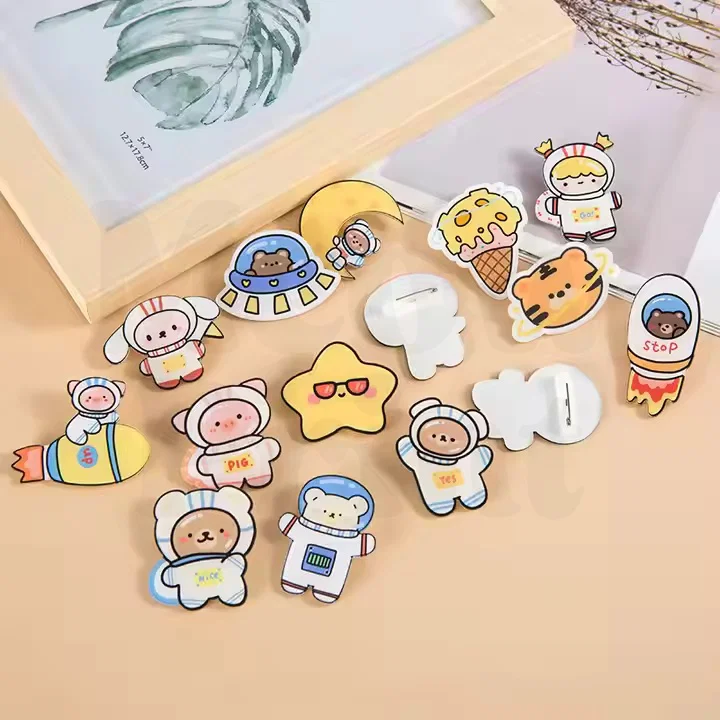
Acrylic is excellent for custom outlines and layered shapes. While metal can be cut into custom forms, complex silhouettes may increase cost or introduce production constraints.
Acrylic pins can be made with dramatic edges, oversized profiles, and stacked layers without needing the same structural rules metal requires. If the goal is a pin shaped like a product, mascot, or icon with sharp geometry, acrylic is often the smoother path.
When is lightweight comfort a bigger priority than a premium feel?
Acrylic lapel pins are usually lighter than metal, which matters more than people expect. For all-day conferences, staff uniforms, or volunteer teams, comfort becomes part of adoption.
A lighter pin also tugs less on thin fabrics and is less likely to rotate or droop. When the pin must be worn by many people for long hours, acrylic can lead to better real-world wear rates.
When do organisers need safer, less scratch-prone pins?
Acrylic can be a practical choice where safety and surfaces matter. Metal pins can scuff phones, scratch tables, or snag delicate garments, especially when people wear them in crowded environments.
For school groups, youth events, or any setting where participants move around a lot, acrylic may reduce the risk of minor scratches and fabric pulls. They still need secure backs, but the overall feel is often less “sharp” in daily use.
When is budget more important than perceived luxury?
Acrylic is often more cost-effective for the look it delivers, especially at lower to mid quantities. Metal pins can become expensive once plating, enamel type, and extra processes are added.
If the goal is to distribute pins widely, include them in welcome packs, or sell them at an accessible price point, acrylic can protect margins. The money saved can go into better packaging, a stronger design, or a wider range of variants.
When do tight deadlines make acrylic the better call?
Acrylic production can be faster because it avoids some of the multi-stage metal processes. For campaigns tied to a launch date, seasonal event, or pop-up, speed can matter more than tradition.
If a team needs pins in hand quickly, acrylic can reduce risk. It also makes reorders simpler when they want to restock bestsellers without long lead times.
When does the design need photo-real detail or fine text?
Acrylic pins can support crisp printed detail, including small typography, gradients, and illustrated textures. Metal pins can do fine lines too, but the look is different and sometimes limited by enamel boundaries and raised metal borders.
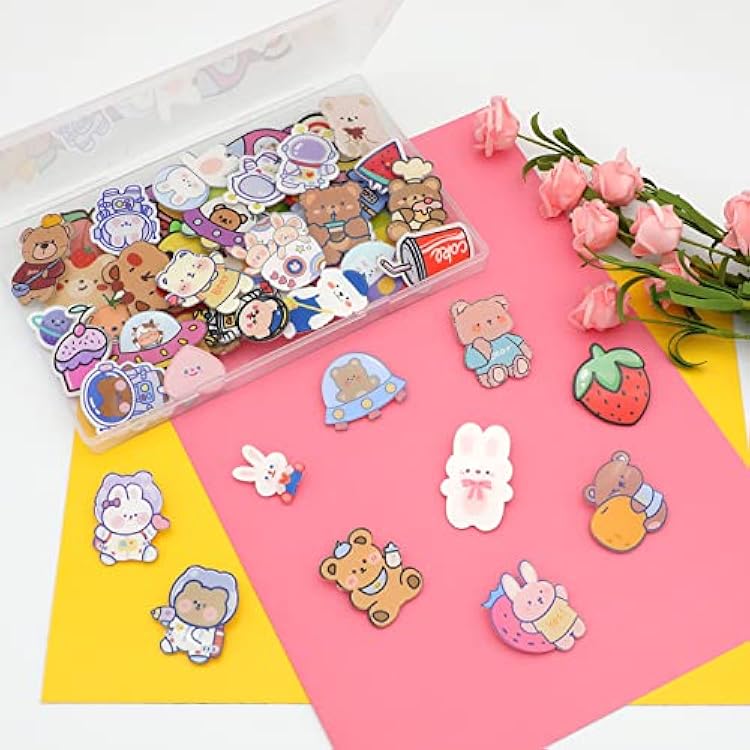
If the artwork includes tiny labels, intricate patterns, or a more “sticker-like” illustration style, acrylic can reproduce it with fewer design sacrifices. That makes it useful for product-themed pins, artist merch, and intricate brand marks. See guide to custom challenge coins and their purpose.
When are limited editions and variations easier to produce in acrylic?
Acrylic makes it easier to create colourways and small-run variants without rethinking the whole production approach. Teams can offer multiple background colours, seasonal editions, or event-specific versions with less friction.
That flexibility suits creator merch, fandom drops, and campaigns where they want the same design with different dates, cities, or slogans. It also makes testing new designs less risky before committing to higher-end metal production.
When should metal still be the default choice?
Metal is usually better when a pin must feel formal, weighty, and traditional. Awards, long-service recognition, corporate insignia, and premium fundraising tiers often benefit from the perceived value of metal.
Metal also tends to age well and can look more “official” on suits and uniforms. If the audience expects a classic pin, acrylic can feel too casual, even if the design is excellent.
So, how should they choose between acrylic and metal?
Acrylic lapel pins work better than metal when the priority is bold colour, modern styling, unusual shapes, comfort, speed, or scalable merchandising. Metal works better when tradition, prestige, and a premium finish carry the message.
The simplest approach is to match the material to the context. If the pin is a brand collectible or event giveaway, acrylic often wins. If it is a symbol of status or membership, metal is usually the safer bet.
FAQs (Frequently Asked Questions)
What are the main differences between acrylic and metal lapel pins?
Metal lapel pins are traditional, durable, and often perceived as premium, making them ideal for formal occasions or symbols of status. Acrylic pins are lighter, allow for bold colours and unusual shapes, and are typically faster and more cost-effective to produce, suiting modern or playful branding.
When is it better to choose acrylic lapel pins over metal ones?
Acrylic lapel pins are preferable when you want bright, solid colours with precise brand matching, unusual shapes or layered designs, lightweight comfort for all-day wear, safer options that minimise scratching or snagging, faster production times, or cost-effective solutions for wide distribution.
How does colour reproduction differ between acrylic and metal lapel pins?
Acrylic pins deliver bright, solid colours with fewer compromises and better control over exact brand colours, including neon and pastel palettes. Metal pins rely on enamel fills and plating that can subtly shift colours, making acrylic superior for designs where colour accuracy and a printed look are critical.
Are acrylic lapel pins suitable for intricate designs with fine text or photo-real details?
Yes. Acrylic pins support crisp printed details such as small typography, gradients, and illustrated textures without the limitations of enamel boundaries or raised metal borders found in metal pins. This makes acrylic ideal for product-themed pins or artist merchandise requiring intricate artwork.
In what scenarios do metal lapel pins remain the preferred choice?
Metal is preferred when a pin must convey formality, prestige, tradition, or a premium finish—such as awards, long-service recognition, corporate insignia, or fundraising tiers. Metal also ages well and is seen as more official on suits and uniforms where classic styling is expected.
How should brands decide between acrylic and metal lapel pins for their needs?
Brands should match the pin material to their context: choose acrylic when prioritising bold colour, modern styling, unusual shapes, comfort for extended wear, quick turnaround times, or scalable merchandising. Opt for metal when tradition, perceived value, formality, and a premium feel are paramount.