
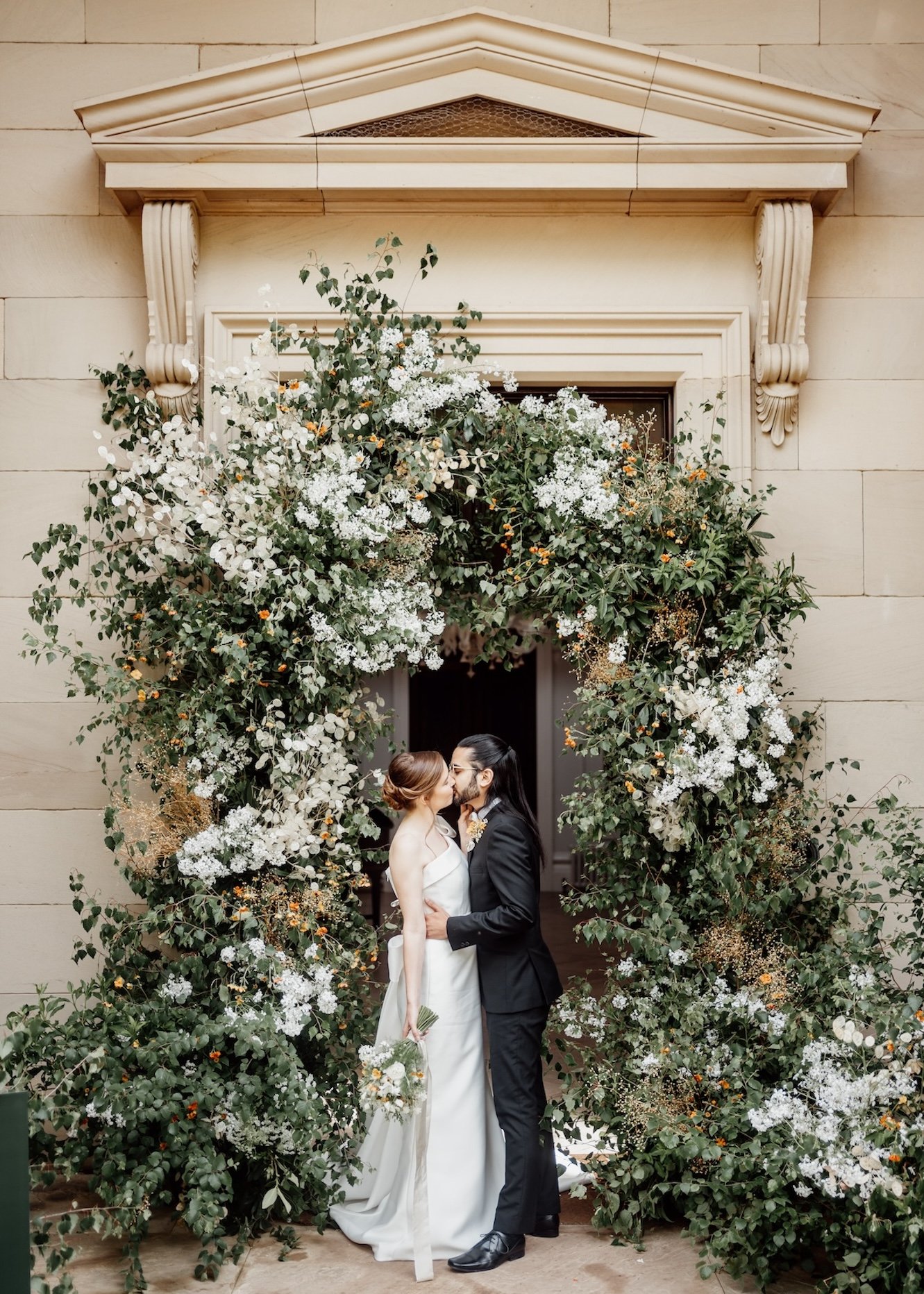
They are not just “picking pretty blooms”. They are building arrangements that behave well outdoors, match the moment, and arrive on time, even when access is tight around the water.
What makes a harbour ceremony different from a typical event?
A harbour ceremony is tougher on flowers than most indoor venues because the conditions change quickly. A Lavender Bay florist plans for sun, gusts, humidity, and sea spray, then chooses blooms that keep their shape and colour.
They also consider sightlines and scale. Harbour backdrops are wide and bright, so arrangements need enough structure to stand out without blocking views of the water or the bridge.
How do they read the location around Lavender Bay and the foreshore?
They start by assessing the exact ceremony spot, from Bradfield Park edges to nearby foreshore pockets and access points. A Lavender Bay florist thinks about where the wind funnels, when the shade hits, and how close the flowers sit to the waterline.
They also map logistics early. Parking limits, stairs, and narrow paths influence mechanics, vessel choices, and how many trips the team needs to bump in quietly.
Which weather risks matter most on Sydney Harbour?
Wind is the biggest design variable because it can tip plinths, ruffle petal-heavy flowers, and shift arbours out of square. A Lavender Bay florist leans toward sturdy stems and tight forms when gusts are likely.
Heat is next. On warmer days, they avoid blooms that bruise easily and prioritise varieties that hydrate fast, then schedule delivery as close to ceremony time as possible.
How do they choose blooms that handle wind and salt air?
They favour flowers with strong heads, resilient petals, and reliable vase life. A Lavender Bay florist often builds around roses, orchids, disbuds, chrysanthemums, anthuriums, and well-conditioned natives, then uses softer blooms as accents.
Foliage choices matter just as much. They select greens that stay glossy and don’t collapse, such as magnolia, hardy eucalyptus varieties, or other robust leaves that won’t curl in the sun.
What role do Australian natives play in harbour ceremony designs?
Natives perform well outdoors and can look natural against sandstone, bush pockets, and the harbour’s blue-grey tones. A Lavender Bay florist may use banksias, leucadendrons, gum, or wax as structural elements that stay upright.
They also use natives for texture that reads at a distance. That helps arrangements look intentional in wide shots, especially when the ceremony space is open and the horizon is busy.
How do they balance colour with a bright harbour backdrop?
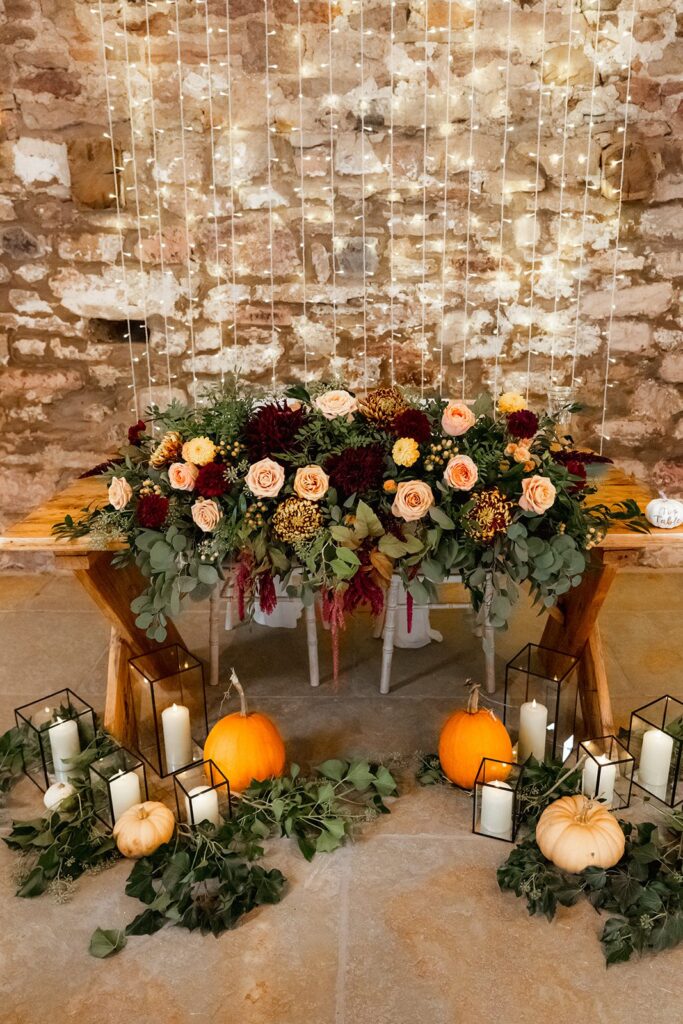
They choose palettes that stay distinct in full daylight and don’t wash out against water reflections. A Lavender Bay florist might steer clients toward clean whites, creams, soft blush, or stronger contrasts like deep burgundy with green.
They also test colour temperature in planning. Warm whites can feel golden at sunset, while cooler whites can look sharper at midday, which changes how flowers photograph near the harbour.
How do they match flowers to the ceremony style and cultural needs?
They begin with the ceremony format, then translate it into floral shapes and symbolism without overcomplicating the space. A Lavender Bay florist asks about cultural expectations, important colours, and any flowers that should be included or avoided.
They keep the outcome practical for the setting. If a ritual involves moving items, they design pieces that lift safely, travel well, and still look composed after handling.
What’s their approach to seasonality and local supply in Australia?
They plan around what is strong in NSW markets at the time, then only import-like the look if it makes sense for performance and budget. A Lavender Bay florist uses seasonality to improve freshness, reduce risk, and keep colour consistent.
When a requested bloom is fragile or out of season, they offer alternatives with similar shape and tone. This keeps the design stable without forcing flowers that are likely to fail outdoors.
How do they create impact without fighting the view?
They aim for framing, not clutter. A Lavender Bay florist often designs an arbour or two asymmetrical features that guide attention toward the couple or the focal point, while leaving the harbour visible.
They also manage height carefully. Lower meadow-style arrangements can look luxurious without creating a wall, and they are usually less wind-sensitive than tall, top-heavy installations.
Which ceremony pieces matter most, and how are they designed?
The core pieces are usually the arbour or statement plinths, aisle markers, and a signing-table arrangement. A Lavender Bay florist designs these as a set so they photograph as one story rather than separate items.
They build in reusability where possible. Aisle pieces might be designed to move to the reception, and arbour florals can often be repurposed for a bridal table or entry feature.
How do they keep bouquets and buttonholes fresh near the water?
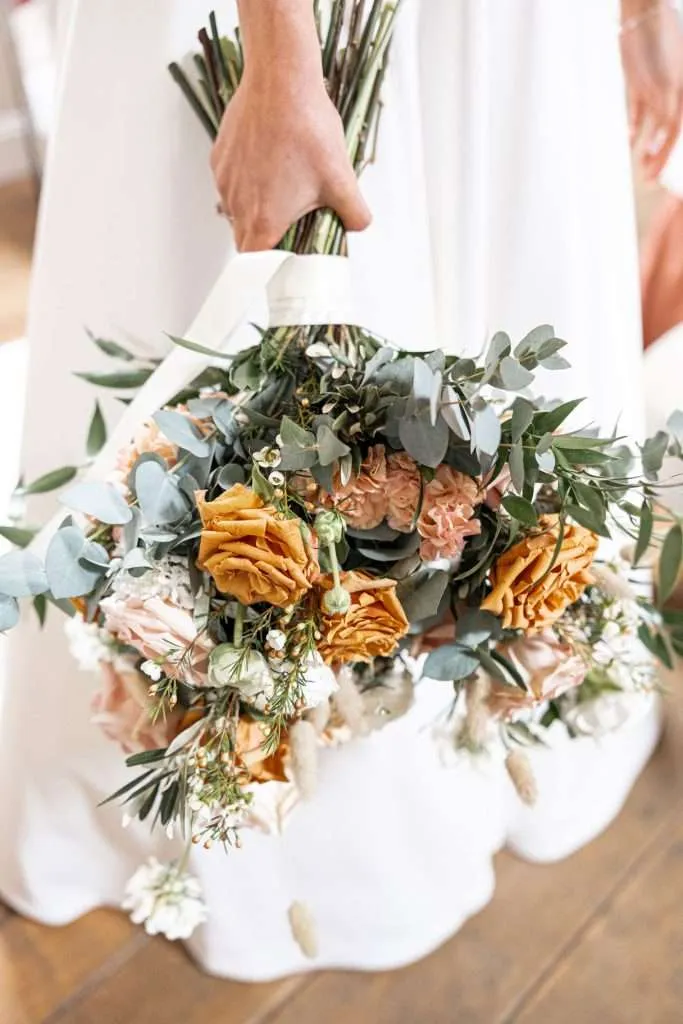
They time the final finishing close to delivery and keep personal flowers protected until handover. A Lavender Bay florist may transport bouquets in water where appropriate and use packaging that shields delicate petals from wind during transfer. Wedding bouquet transport is an important part of protecting the finished design.
Buttonholes are built with durability in mind. They use firm stems, minimal fragile petals, and secure pinning methods so the pieces sit neatly through photos, hugs, and harbour-side movement.
What mechanics help arrangements stay stable outdoors?
They use weighted bases, low centres of gravity, and secure attachment points. A Lavender Bay florist may add internal bracing, discrete sandbagging, or heavier vessels that look refined but do not shift easily.
They also minimise sail-like shapes. Airy installations can be beautiful, but outdoors they need anchors and smart stem direction so the design holds its outline when the breeze picks up.
How do they plan delivery, access, and timing around the foreshore?
They treat timing as part of design. A Lavender Bay florist plans bump-in routes, checks traffic patterns around North Sydney, and schedules installation windows that avoid peak congestion where possible.
They also build a contingency buffer. If an access point is blocked or a lift is out of service, they need enough time to adapt without rushing, because rushed install work shows in the finish.
How do they manage budget while still delivering a premium look?
They focus spend on the pieces that appear most in photos and in guest sightlines. A Lavender Bay florist often recommends investing in the arbour and aisle start, then simplifying smaller touchpoints.
They also design with clever flower distribution. Using strong foliage and textured elements can create fullness without relying only on premium blooms, which helps maintain quality while controlling cost.
What quality checks do they do before a harbour ceremony?
They inspect hydration, stem strength, and bruise risk, then adjust anything that may fail under sun or wind. A Lavender Bay florist checks that ties, pins, and foam-free mechanics are secure and that vessels sit level.
They also photograph test angles during install. If a piece reads flat from the aisle or blocks the view, they tweak height and placement immediately rather than hoping it looks fine later.
How do they handle last-minute changes and still keep the design cohesive?
They keep a small kit for on-site repairs and substitutions, then make changes that preserve the overall shape and palette. A Lavender Bay florist may swap a delicate bloom for a tougher one without changing the visual rhythm.
They also communicate clearly with the planner or celebrant. Small layout shifts, like moving a signing table out of wind, can protect flowers and improve guest comfort at the same time.
What does a “harbour-ready” flower plan look like in practice?
It looks like fewer fragile hero blooms, more structural choices, and mechanics designed for stability. A Lavender Bay florist aims for arrangements that hold their silhouette, photograph cleanly, and still look fresh at the end of the ceremony.
They also keep the experience calm. When flowers arrive in excellent condition and the install runs smoothly, the ceremony feels effortless, even in a demanding waterfront setting.
FAQs (Frequently Asked Questions)
What makes harbour ceremonies around Sydney different from typical indoor events when it comes to floral arrangements?
Harbour ceremonies are tougher on flowers due to rapidly changing conditions like sun, gusts, humidity, and sea spray. A Lavender Bay florist plans for these variables by selecting blooms that maintain their shape and colour, considering sightlines and scale to ensure arrangements stand out without blocking iconic views of the water or the bridge.
How does a Lavender Bay florist assess the location and logistics for a foreshore ceremony?
The most important timing factors are ordering early, choosing a realistic delivery window, and planning around access and weather. For flowers McMahons Point deliveries, the best results come when timing is treated as part of the gift rather than an afterthought, especially when buildings or waterfront access create additional constraints.
Which weather risks are most critical for floral design on Sydney Harbour and how are they managed?
Wind is the biggest challenge as it can tip plinths and disturb delicate flowers; thus, sturdy stems and tight flower forms are preferred. Heat is also significant; florists avoid blooms prone to bruising and prioritize varieties that hydrate quickly. Delivery is scheduled as close to ceremony time as possible to maintain freshness under these conditions.
What types of blooms and foliage are chosen for durability against wind and salt air in harbour ceremonies?
Florists favour flowers with strong heads, resilient petals, and reliable vase life such as roses, orchids, disbuds, chrysanthemums, anthuriums, and well-conditioned Australian natives. Foliage selections include glossy, robust greens like magnolia and hardy eucalyptus varieties that resist curling or collapsing in sun and salt air.
How do Australian native plants contribute to the design of harbour ceremony floral arrangements?
Australian natives like banksias, leucadendrons, gum, and wax serve as structural elements that remain upright outdoors. They provide natural texture that reads well at a distance against sandstone and bush pockets while complementing the harbour’s blue-grey tones. This helps create intentional designs that hold up visually in wide shots of open spaces.
How do Lavender Bay florists balance flower colour palettes against the bright harbour backdrop for optimal photography?
They select colours that remain distinct in full daylight without washing out against water reflections. Common choices include clean whites, creams, soft blushes or stronger contrasts like deep burgundy with green. Colour temperature is tested during planning—warm whites add golden hues at sunset while cooler whites appear sharper midday—to enhance photographic results near the harbour.