Tree work in Wahroonga can be surprisingly regulated. In many cases, Wahroonga tree removal is not just a matter of booking an arborist, because formal approval may be required before any cutting, lopping, or removal begins.
This guide explains when approval is typically needed, what triggers a permit, and how residents can reduce delays by preparing the right information upfront.
What does “formal council approval” mean for Wahroonga tree removal?
Formal approval usually means written permission from the local council before starting works. For Wahroonga tree removal, this is commonly managed through a tree permit or development application pathway, depending on the site and the type of works proposed.
Without approval, they can risk compliance action, fines, and orders to replace vegetation. It also creates problems when selling, renovating, or dealing with insurance claims after unauthorised work.
Which council rules usually apply in Wahroonga?
Wahroonga sits within Ku-ring-gai, so local tree controls are typically administered by Ku-ring-gai Council. For Wahroonga tree removal, these controls are usually set out in the council’s planning instruments, tree preservation controls, and property development requirements.
They should treat the council website and customer service team as the primary source of current rules. Policies can change, and what applied last year might not apply this year.
When is Wahroonga tree removal most likely to require approval?
Approval is most likely when the tree is large, significant, protected, or located in a sensitive planning area. For Wahroonga tree removal, triggers often include size thresholds, heritage considerations, and biodiversity impacts.
If they are unsure, the safest approach is to assume approval may be required until the council confirms otherwise. That single check can prevent expensive stop-work orders later.
Do size thresholds determine whether Wahroonga tree removal needs a permit?
Yes, size is one of the most common triggers. For Wahroonga tree removal, councils often regulate trees above a certain height, trunk diameter, or canopy spread.
They should measure correctly, because councils may specify measurement points such as diameter at breast height (DBH). If a property owner measures at the wrong point or counts multi-stem trunks incorrectly, their application may be rejected or delayed.
Does heritage status affect whether approval is needed?
Yes, heritage controls can raise the bar significantly. For Wahroonga tree removal, approval is more likely if the property is heritage listed, within a heritage conservation area, or if the tree is considered part of a heritage streetscape.
Even when a tree is not individually listed, it may contribute to a heritage character. They should expect extra documentation and stricter assessment timeframes in these areas.
Do conservation zones or bushland proximity change the approval process?
Often, yes. For Wahroonga tree removal, properties near mapped bushland, watercourses, or environmentally sensitive land may face additional constraints.
They may be asked to show that removal will not increase erosion, runoff, or weed spread. In some cases, the council may require a replanting plan using locally appropriate native species.
What if the tree is on a boundary, shared fence line, or neighbour’s side?
Boundary trees can become legally messy. For Wahroonga tree removal, they still need council approval if the tree meets regulated criteria, even if the neighbour is pushing for action.
They should also consider the Trees (Disputes Between Neighbours) Act 2006 (NSW) for conflict situations. Council approval and neighbour dispute processes are different, and one does not automatically replace the other.
Can they remove a tree without approval if it is dangerous?
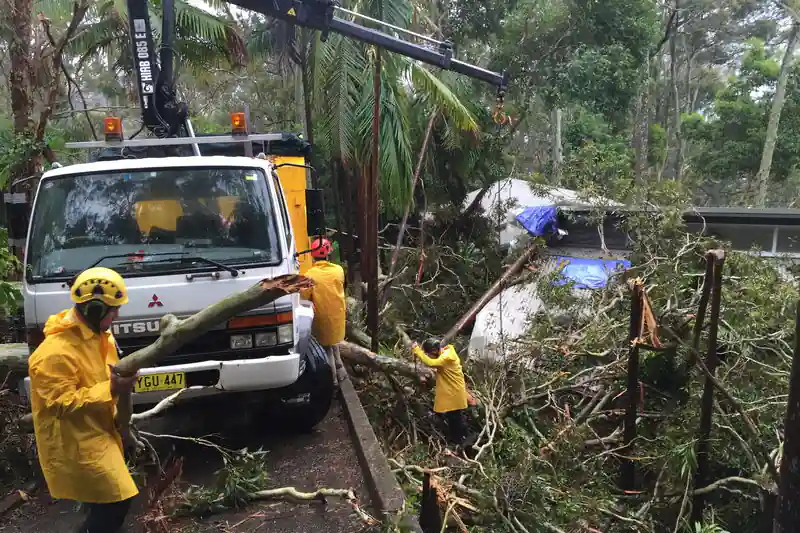
Sometimes, but “dangerous” usually needs evidence. For Wahroonga tree removal, emergency removal may be possible when a tree is imminently unsafe, for example after storm damage, severe splitting, or major root plate failure.
They should document everything: dated photos, notes, and ideally an arborist report confirming the risk. Councils may still ask for proof after the fact, and they may not accept vague claims like “it looked risky.”
Are dead trees automatically exempt from council approval?
Not always. For Wahroonga tree removal, a dead tree can still be regulated if it provides habitat, sits in a protected area, or is considered part of local environmental values.
They should avoid assuming “dead equals exempt.” Councils may request an arborist assessment confirming the tree is dead and that removal is necessary rather than staged pruning or retention as habitat.
Does pruning count as Wahroonga tree removal under council rules?
Pruning can be treated similarly if it is excessive. For Wahroonga tree removal, heavy lopping, topping, or major canopy reduction can be considered removal or destruction, especially if it is likely to kill the tree or permanently disfigure it.
They should ensure any pruning is consistent with Australian Standard AS 4373 (Pruning of amenity trees). Councils and arborists often reference this standard when assessing whether pruning is appropriate.
What paperwork do they typically need to lodge an application?
They usually need clear details that allow council to assess impacts. For Wahroonga tree removal, this often includes a site plan, tree location, species (if known), dimensions, photos, and a reason for the proposed work.
An arborist report is commonly required for larger trees, contentious removals, or where structural risk is claimed. If they provide a thorough report at the start, they often reduce back-and-forth requests.
What reasons are more likely to be accepted by council?
Councils generally prioritise safety, structural damage supported by evidence, and unavoidable development impacts. For Wahroonga tree removal, claims such as “too much leaf litter” or “blocking the view” are usually weaker unless a policy specifically allows them.
They should frame their justification around measurable impacts: certified risk, documented damage to buildings or services, or conflicts with approved building footprints. Opinion-based reasons tend to fail.
How long does council approval usually take?
Timeframes vary, but they should plan for weeks, not days. For Wahroonga tree removal, delays are more likely during peak seasons, after storms, or when the application lacks essential information.
They can reduce approval time by lodging complete documents, responding quickly to requests, and ensuring the arborist report addresses council criteria. If they need urgent works, they should ask council what emergency pathways exist.
What happens if they remove a tree without approval?
Councils can investigate and enforce. For Wahroonga tree removal, potential outcomes include fines, orders to replace trees, and complications for future development approvals.
They may also face neighbour complaints, especially where canopy loss changes privacy, shade, or runoff patterns. If a contractor performed the work, the property owner is still often treated as responsible for ensuring approvals were in place.
Do they need approval for trees affecting driveways, solar panels, or gutters?
Often yes, if the tree is regulated. For Wahroonga tree removal, nuisance impacts like shading solar panels or blocking gutters usually do not override protection unless the issue is severe and supported by evidence.
They might have more success applying for targeted pruning rather than full removal. Councils are more likely to support minimal intervention that solves the problem while retaining the tree’s amenity value.
How should they choose an arborist for council-facing tree work?
They should use a qualified arborist who understands council processes. For Wahroonga tree removal, an arborist with experience preparing council-ready reports can make approvals smoother, because the report language and structure matters.
They should look for relevant Australian qualifications, insurance, and a history of working in Ku-ring-gai. A cheap quote that skips documentation often becomes expensive when council pushes back.
What steps can they take to improve their chances of approval?
They should prepare the application as if council has never seen the site. For Wahroonga tree removal, that means clear measurements, wide and close photos, a marked-up plan, and a direct explanation of why alternatives will not work.
They can also propose mitigation, such as planting a replacement tree in a suitable location. Councils often respond better when they see a plan to maintain canopy cover over time.
What should they do after approval is granted?
They should read the conditions carefully and follow them exactly. For Wahroonga tree removal, approvals may require specific methods, time limits, replacement planting, or protection of nearby trees during works.
They should keep a copy of the approval and any supporting documents. If a neighbour disputes the work, having the paperwork on hand can quickly end arguments and prevent complaints escalating.
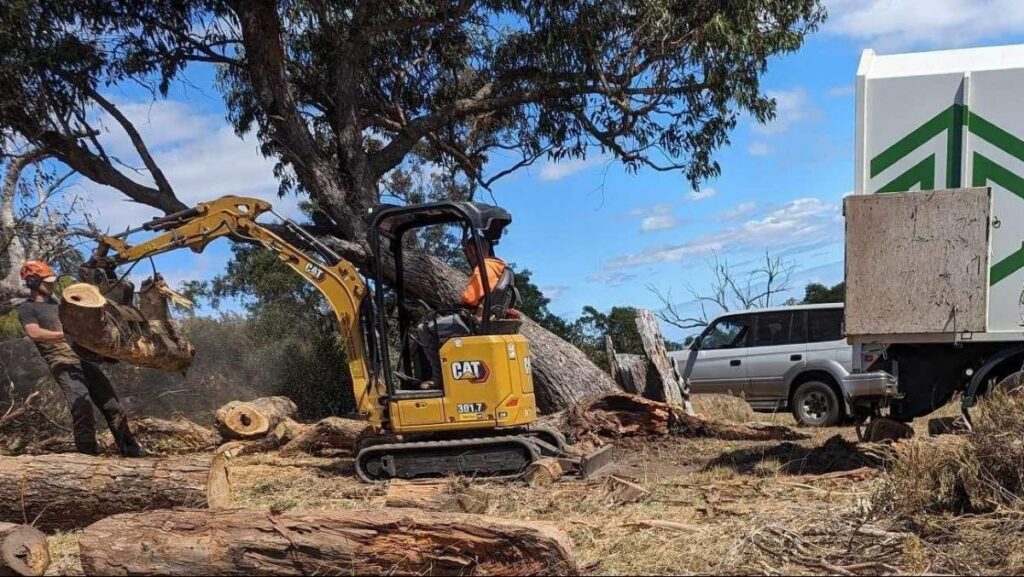
How can they avoid common mistakes with Wahroonga tree removal approvals?
They can avoid most problems by not assuming and not rushing. For Wahroonga tree removal, the most common mistakes include starting work after a verbal conversation instead of written approval, measuring the tree incorrectly, or lodging an application without an arborist report when one is clearly needed.
They should also avoid “over-pruning” as a workaround. Councils can treat that as unauthorised removal and enforce it just as seriously.
What is the simplest way to confirm whether formal approval is required?
They should contact the local council and ask specifically about their tree and property controls. For Wahroonga tree removal, it helps if they provide photos, the tree location on the block, and the approximate size, because council staff can often give more accurate guidance with basic evidence.
If they want certainty, they can request advice in writing or proceed with a formal application. That paper trail is often the best protection if the situation is later questioned.
Related : What Does An Arborist Epping Residents Call For Storm Damage?